What is required for hot glass art making?
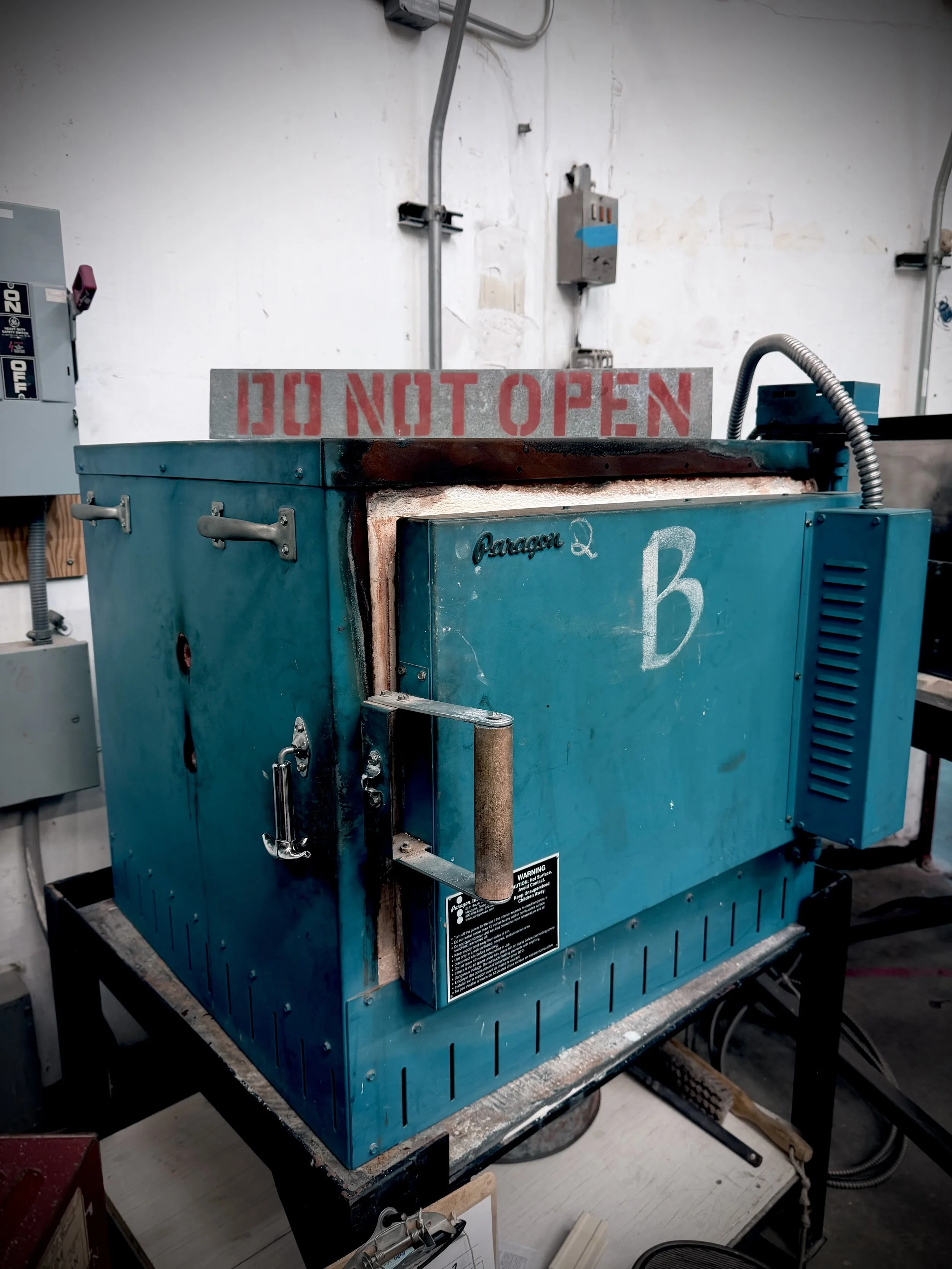
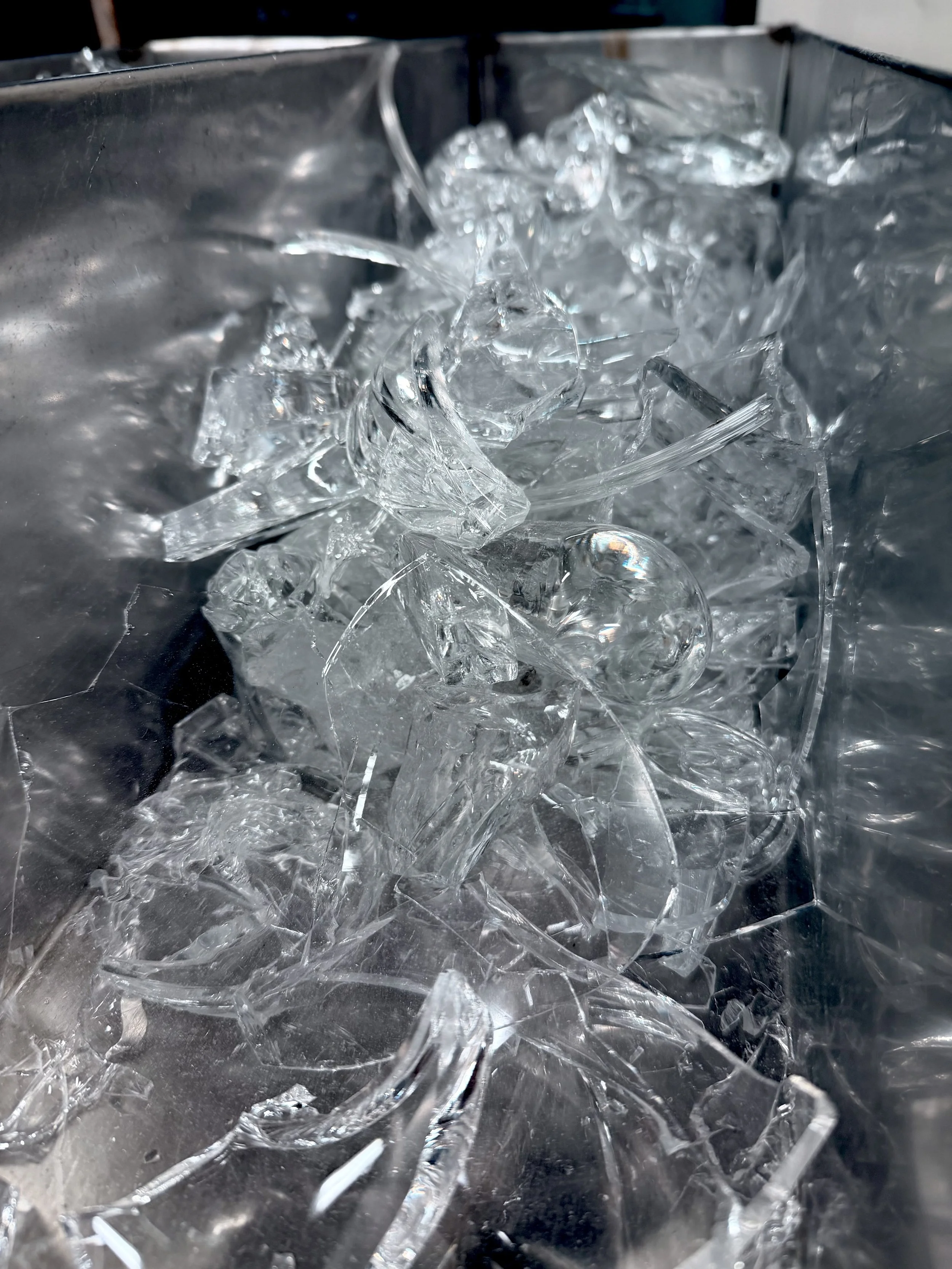
Glass is made from Silica, Sodium Carbonate, and Calcium Carbonate.
—————————
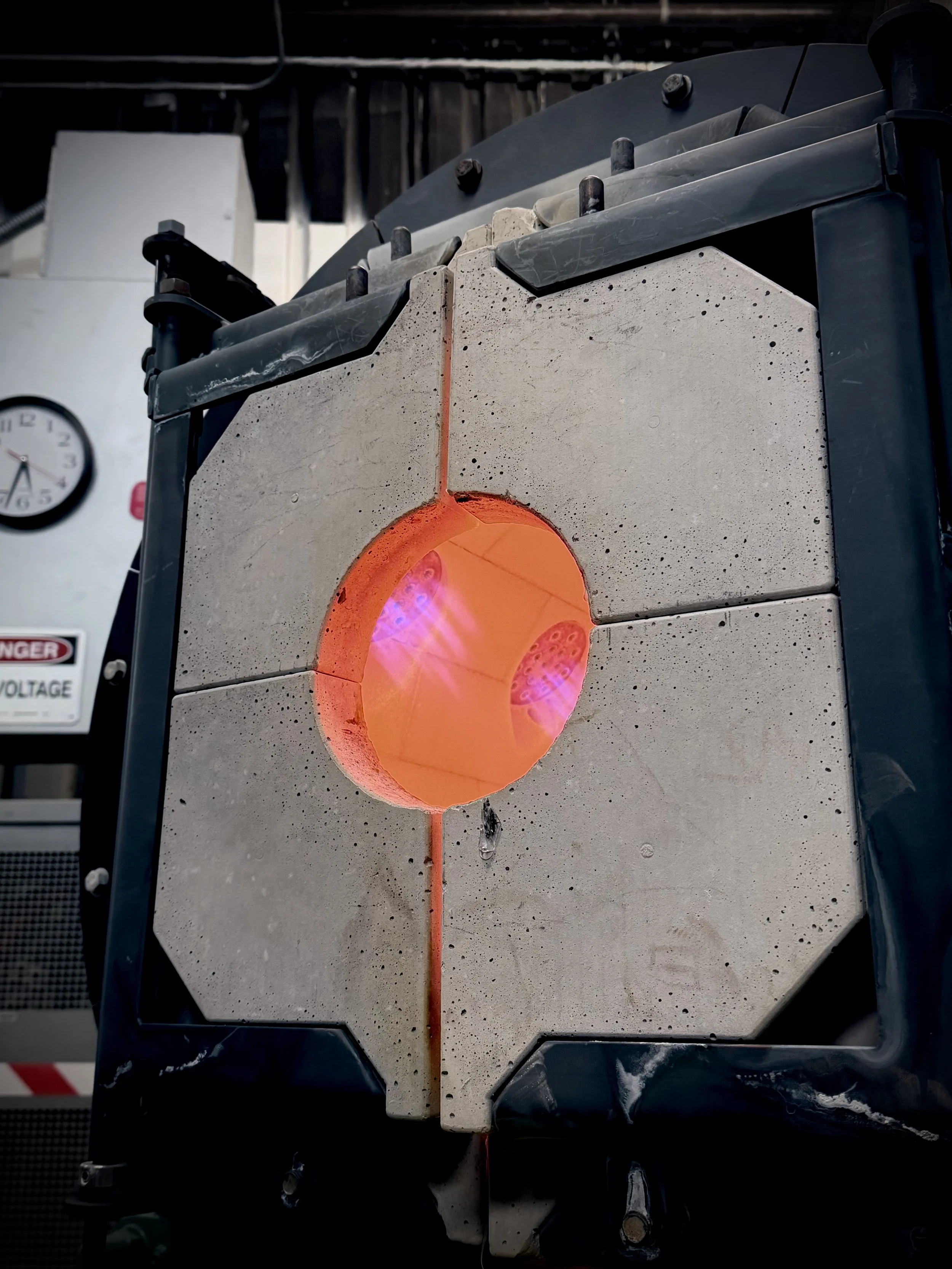
Glass is melted at temperatures as high as 2300 degrees Fahrenheit.
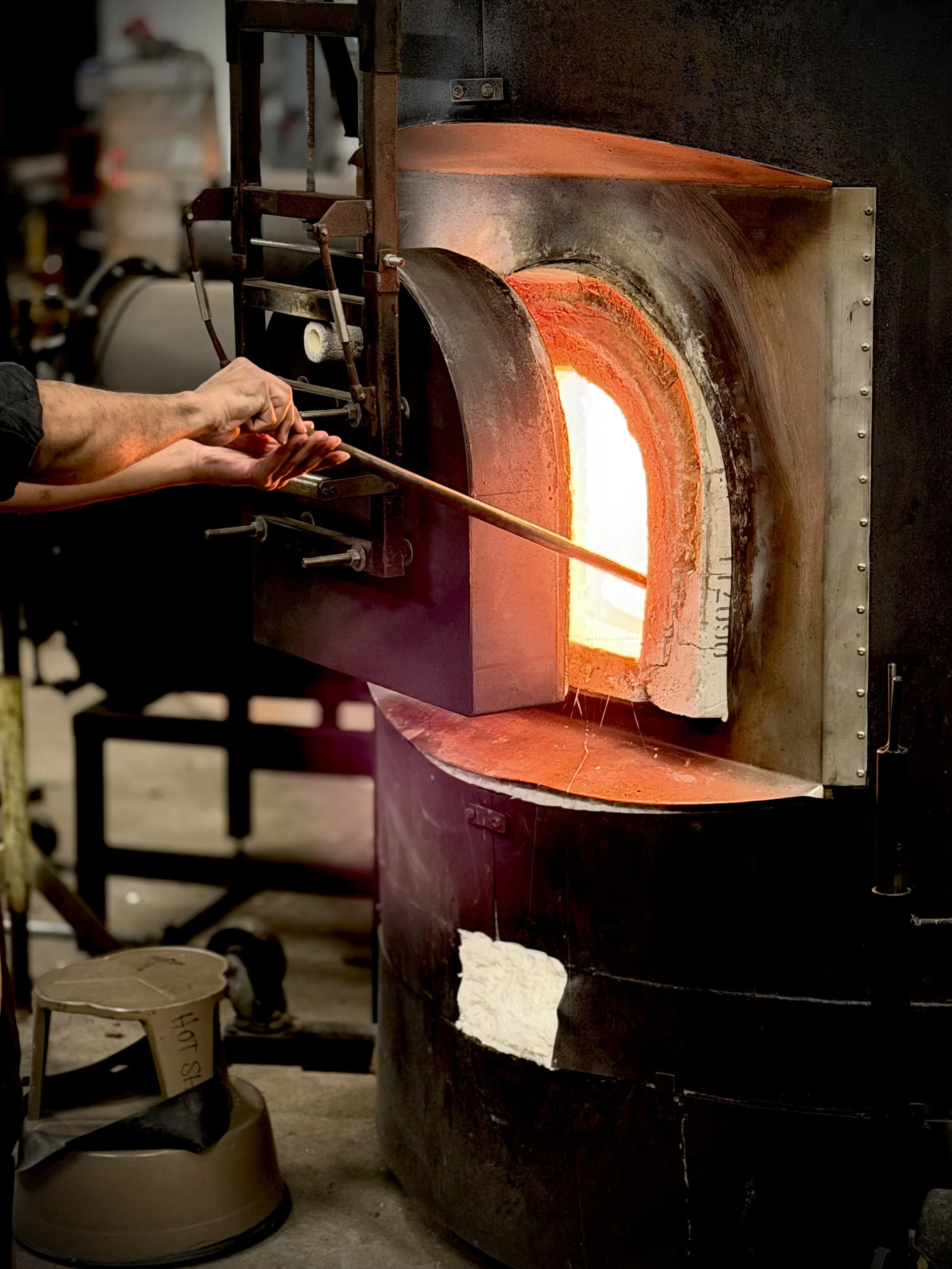
Energy is required to power the Furnace which melts the glass, the Reheating Chamber which helps maintain a molten working temperature, and the Annealer which systematically cools the glass to room temperature.
What is Energy Efficiency?
Energy is required to power the equipment used in hot glass art making.
Energy is required to heat glass to high temperatures to reach and maintain its molten state.
Energy is also required to cool the glass down to room temperature to avoid cracking.
Energy Efficiency is the ability to achieve the same useful output by consuming less energy compared to conventional or older methods.
Reducing energy consumption has the ability to reduce costs and environmental impact.
It is important to understand your goals in the hot shop in order to maximize efficiency and reduce energy expenditure.
Equipment Basics
The Furnace
…is where the glass is melted and gathered from for the process of hot glass art making, specifically glass blowing and sand casting.
Glass melts at temperatures as high as 2300 degrees Fahrenheit.
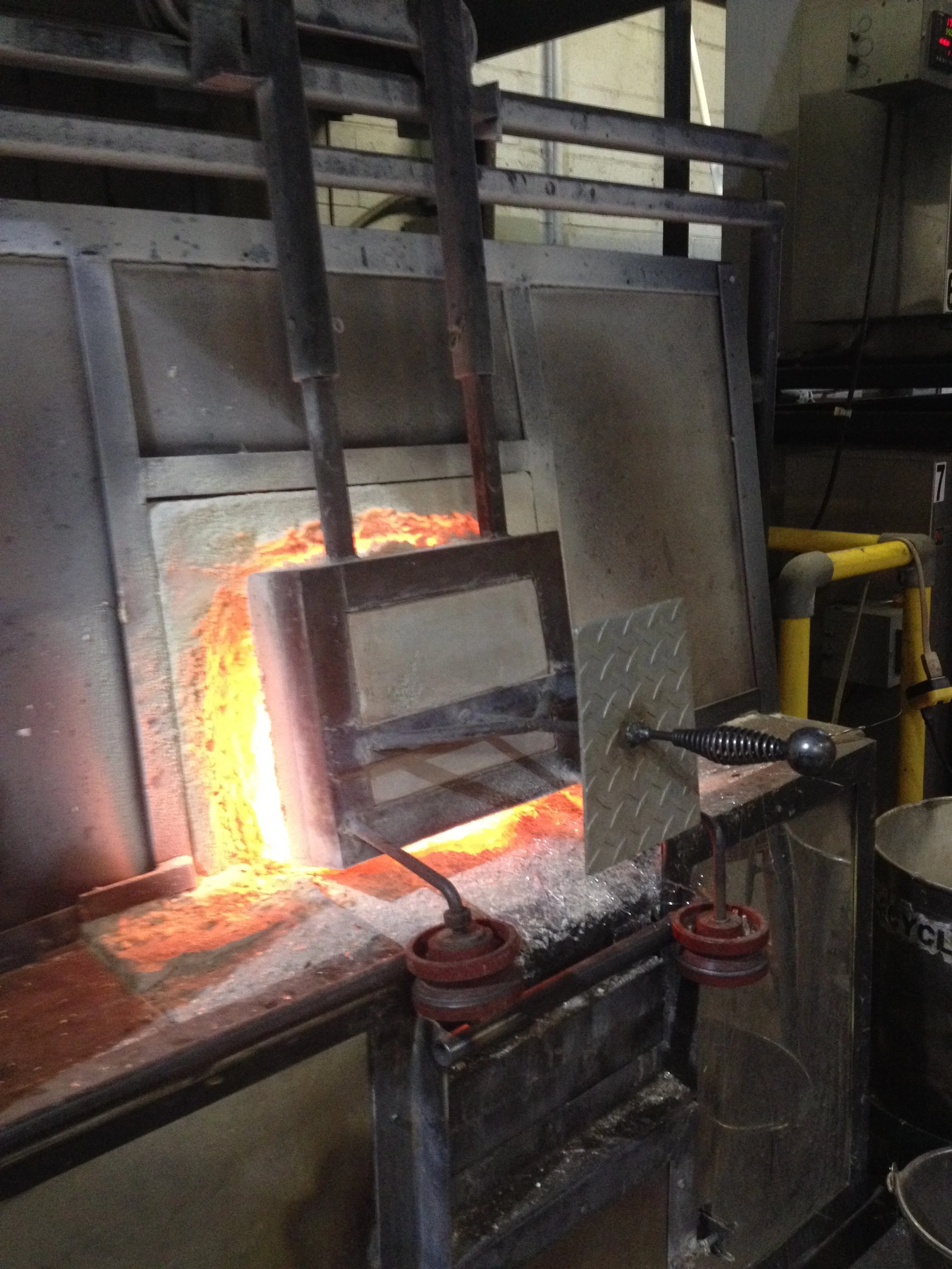
The Reheating Chamber
Also known as the Glory Hole, this piece of equipment maintains the working temperature of the glass in its molten state. They require gas and air to function properly and are composed of many complicated safety systems and controllers.
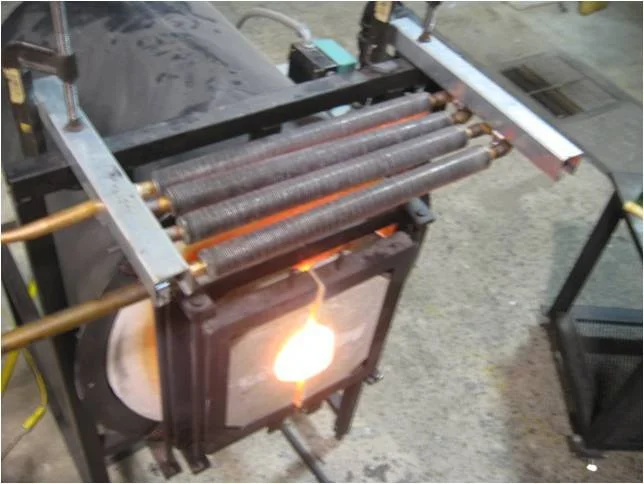
The Annealer (Kiln)
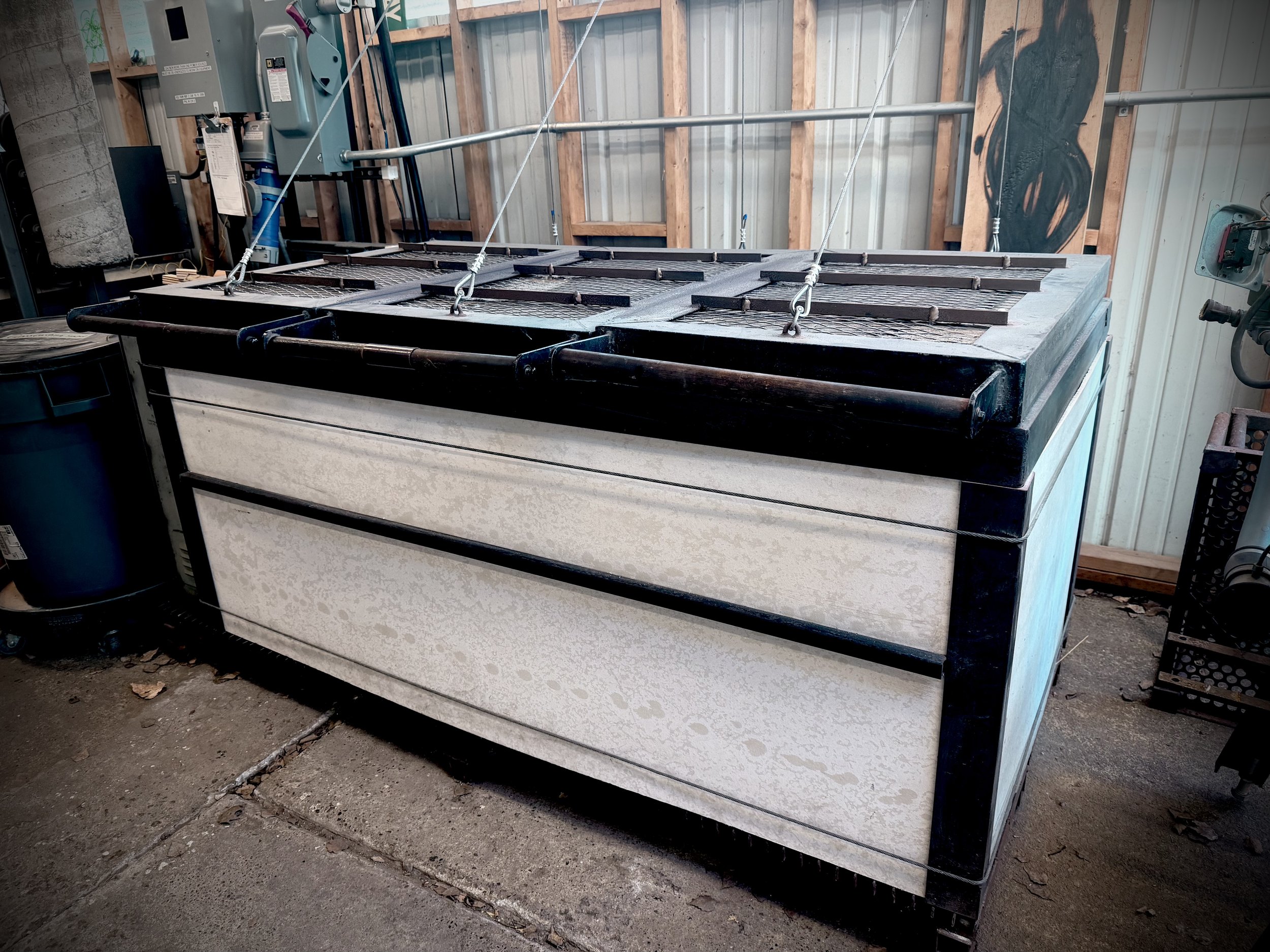
Annealing is the process of systematically, and slowly, cooling the glass from its molten state down to room temperature in order to stabilize the glass and prevent cracking.
Kilns can be used as Annealers. However, kilns can also be used for a vast array of glass art making techniques such as lost wax casting, slumping, fusing, and pate de verre.
More About
How to Blow Glass
by Ed Schmid
Books Available



How to Order
Email Ed Schmid directly to order books to be shipped.
Ask for an autograph!
Follow him on Instagram
@ed_schmid_360